The matter we know is composed of what is known as 'fundamental particles', described by the Standard Model of Physics. This extremely precise and almost perfect theory describes how these particles build everything that surrounds us, and the way they interact with each other.
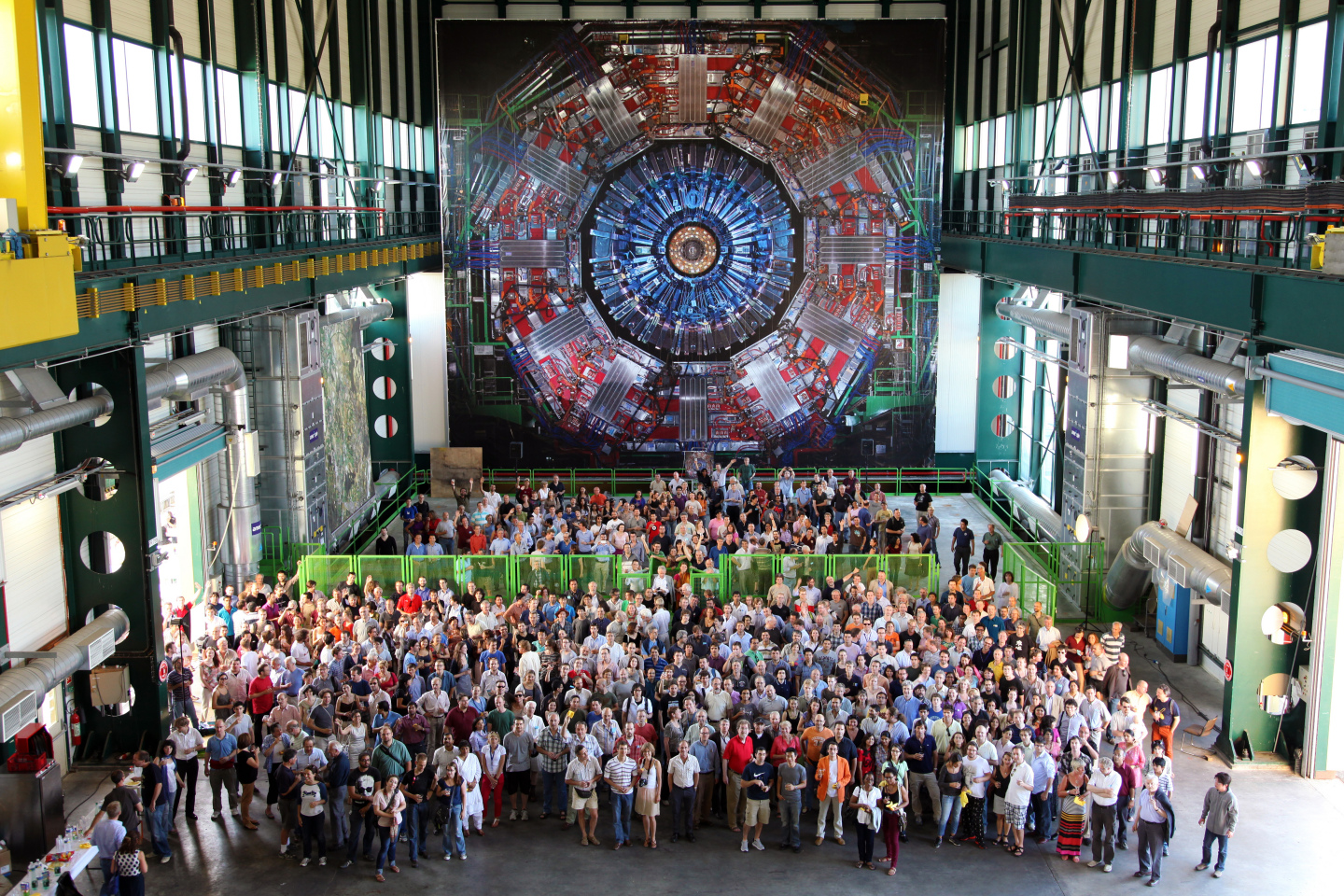
To explore the properties of this theory and its building blocks, at CERN's LHC in Geneve (Switzerland), several huge detectors are placed, collecting data from proton-proton and heavy ions collisions. These data serve then to thousands of physicist worldwide to analyze the predicted results from the theory. One of these huge detectors is the Compact Muon Sollenoid (CMS), where more than three thousand physicists and engineers work together to analyze the data and obtain powerful results. The following videos describe in bigger detail how does it work. I hope you enjoy them and learn interesting things about the detector :)
I will keep updating this blog with related and useful information on experimental High Energy Physics (HEP). However, if you want to contact me to have further knowledge on the field, you can find me in the following places:
- About.me: link
- ORCID code: 0000-0002-1947-8157
Personally speaking, I find blogs and social media a very important tool when trying to transfer research work into the community (both technical and less specialized too). As an example that serves as inspiration for my own work, you can see:
No hay comentarios:
Publicar un comentario